Welcome to HITOP FORKLIFT
EN

Language

Language
Save
icon Inquiry cart ( 0 )
News & Events

Comparison of Electric, Diesel, and Dual-Fuel Forklifts: Advantages, Disadvantages, and Applications

Views : 1253
Update time : 2025-02-05 16:20:10
Forklifts are critical for material handling across industries, but choosing the right type—electric, diesel, or dual-fuel (e.g., LPG)—depends on operational needs, environment, and cost considerations. Below is a detailed analysis of their strengths, weaknesses, and ideal use cases.

1. Electric Forklifts
Advantages:


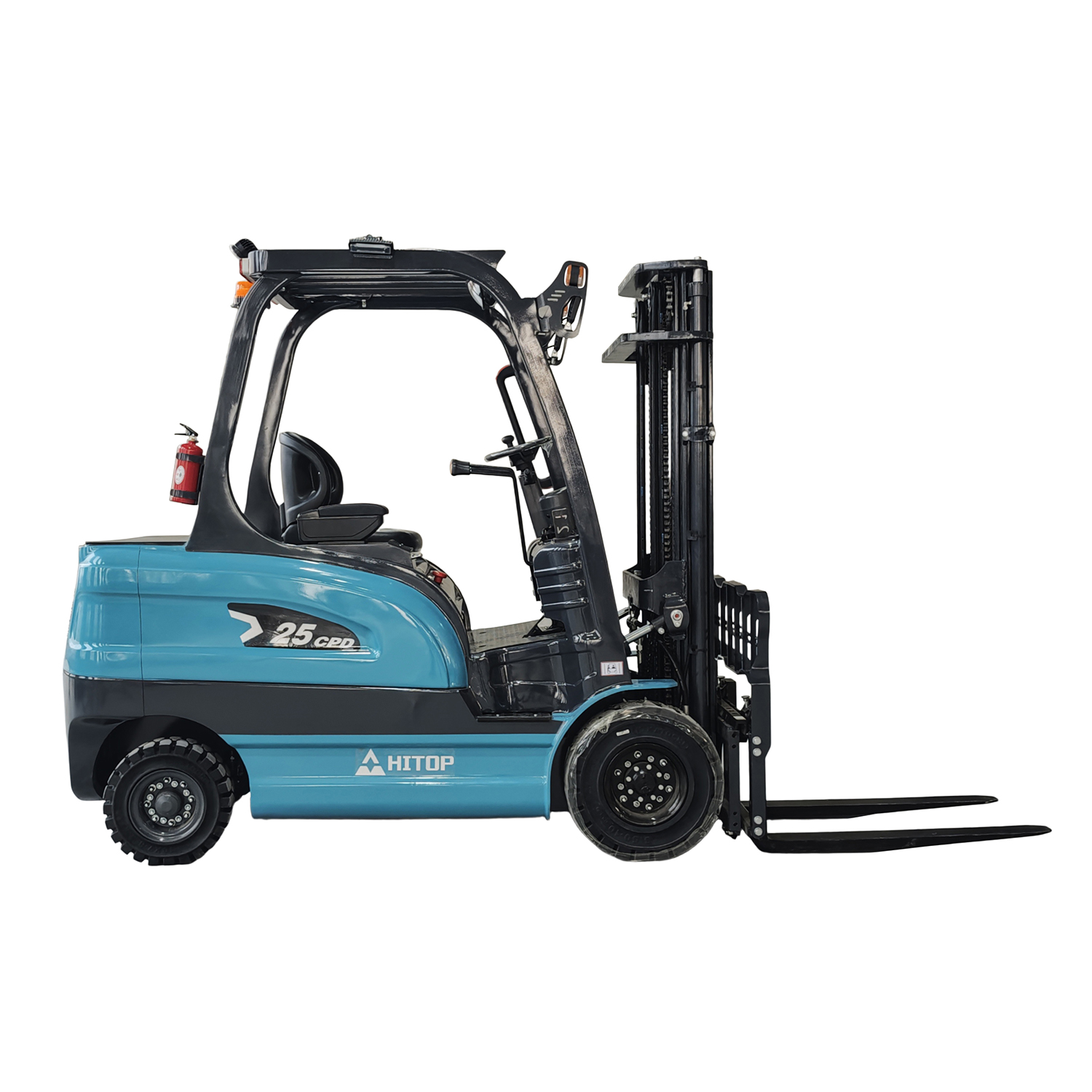
Zero Emissions: Electric forklifts produce no exhaust emissions, making them ideal for indoor environments like warehouses, food processing facilities, and pharmaceutical settings where air quality is critical.

Low Noise and Vibration: Their quiet operation reduces noise pollution, enhancing worker comfort in noise-sensitive areas such as retail spaces and hospitals.

Lower Operating Costs: While initial purchase prices are higher, electric models save costs long-term through reduced fuel expenses (electricity vs. diesel) and minimal maintenance (no engine oil, coolant, or exhaust systems).

Precision Maneuverability: Compact designs and tighter turning radii enable efficient operation in narrow aisles and confined spaces.

Improved Safety: Enhanced rear visibility (no obstructing fuel tanks) and reduced fire risks (no flammable fuels) contribute to safer operations.

Disadvantages:

Higher Upfront Costs: Batteries, chargers, and infrastructure (e.g., charging stations) increase initial investment.

Limited Runtime: Lead-acid batteries require 8–14 hours to recharge, though lithium-ion variants offer faster charging (1–2 hours) for multi-shift operations.

Outdoor Limitations: Most electric models are unsuitable for rugged terrain or wet conditions unless specially designed.

Ideal Applications:

Indoor Warehouses: Distribution centers, cold storage facilities, and manufacturing plants with tight aisles.

Eco-Conscious Industries: Food, pharmaceuticals, and healthcare sectors prioritizing cleanliness and sustainability.


2. Diesel Forklifts
Advantages:


High Power and Durability: Diesel engines deliver superior torque for heavy lifting (up to 45+ tons) and excel in demanding outdoor environments like construction sites, lumber yards, and shipping docks.

Operational Flexibility: Refueling takes minutes, enabling continuous use in long shifts without downtime.

Weather Resistance: Perform reliably in rain, mud, and uneven terrain.

Disadvantages:

Environmental Impact: Emissions (CO2, NOx, particulate matter) pose health risks indoors and contribute to pollution.

High Operating Costs: Fuel prices fluctuate, and maintenance (oil changes, exhaust systems) is frequent and costly.

Noise Pollution: Loud engines disrupt indoor operations and worker comfort.

Ideal Applications:

Outdoor Heavy-Duty Tasks: Construction, mining, and large-scale logistics in open yards.

Extended Shifts: Operations requiring 24/7 uptime with minimal refueling interruptions.


3. Dual-Fuel Forklifts (LPG)
Advantages:


Fuel Flexibility: Can switch between LPG and gasoline, offering operational versatility in mixed environments.

Lower Emissions Than Diesel: LPG burns cleaner, making it marginally suitable for ventilated indoor spaces.

Consistent Power: No battery downtime; refueling takes minutes.

Disadvantages:

Moderate Emissions: Still produce CO2 and require ventilation, limiting indoor use compared to electric models.

Higher Maintenance: Engine components (e.g., fuel systems) need regular servicing.

Hazardous Fuel Handling: LPG tanks risk leaks and require careful storage.

Ideal Applications:

Mixed Indoor/Outdoor Settings: Large logistics hubs needing quick refueling and moderate lifting capacity.

Cost-Sensitive Operations: Businesses prioritizing lower upfront costs over long-term sustainability.


Why Electric Forklifts Stand Out
Electric forklifts dominate in sustainability, safety, and precision. Their zero-emission operation aligns with global green initiatives, while lower lifetime costs (despite higher initial investment) make them economically viable for indoor-centric industries. Advances in lithium-ion batteries further mitigate runtime limitations, enabling multi-shift efficiency. For businesses prioritizing worker safety, regulatory compliance, and eco-friendliness, electric models are the future-forward choice.

Conclusion
While diesel and dual-fuel forklifts remain relevant for heavy outdoor tasks, electric forklifts offer unmatched advantages in indoor, eco-sensitive environments. Companies should evaluate their operational scope, budget, and sustainability goals to select the optimal solution.
Related News
Read More >>
How Long Do Forklifts Last? How Long Do Forklifts Last?
Dec .25.2025
Discover the average forklift lifespan (hours & years), key factors that affect durability, and practical tips to extend your forklift's service life. Learn when to repair or replace.
Customized RAL Color Forklifts, Scissor Lifts & More Shipped to Paraguay Client Customized RAL Color Forklifts, Scissor Lifts & More Shipped to Paraguay Client
Sep .29.2025
HITOP FORKLIFT, a leading supplier of premium material handling and aerial work equipment, is proud to announce the successful shipment of a diverse range of industrial machinery to a valued client in Paraguay. This order underscores our commitment to supporting industrial growth and operational efficiency across South America.